Selling Guide
How to Price Your Property for Sale in Ahmedabad
To price a property for sale in Ahmedabad, start from what comparable homes in your building or the next few societies were registered for in the past year. Then check that number against two floors: the jantri value, below which both sides face extra duty and tax, and the figure the buyer’s bank is likely to put on it. Set your asking price a small negotiating margin above the number you would accept, and no further.
Online listings come last, not first. They tell you what other sellers hope for.
What are the four numbers that decide your price?
A resale price rests on four numbers. They answer different questions, and mixing them up is how sellers misprice.
| Number | Where it comes from | What it tells you |
|---|---|---|
| Registered sales nearby | Sale deeds and Index II of recent deals in your building or society | What buyers actually paid; your real anchor |
| Jantri value | GARVI schedule for your value zone, with the 2023 multipliers | The floor for stamp duty and income tax |
| Bank valuation | The buyer’s lender’s empanelled valuer | How much loan your buyer can raise |
| Competing listings | Online listings and brokers’ sheets | What a buyer will compare you with this month |
The first number sets the price. The second and third tell you whether a deal at that price will close cleanly. The fourth tells you how long it will take.
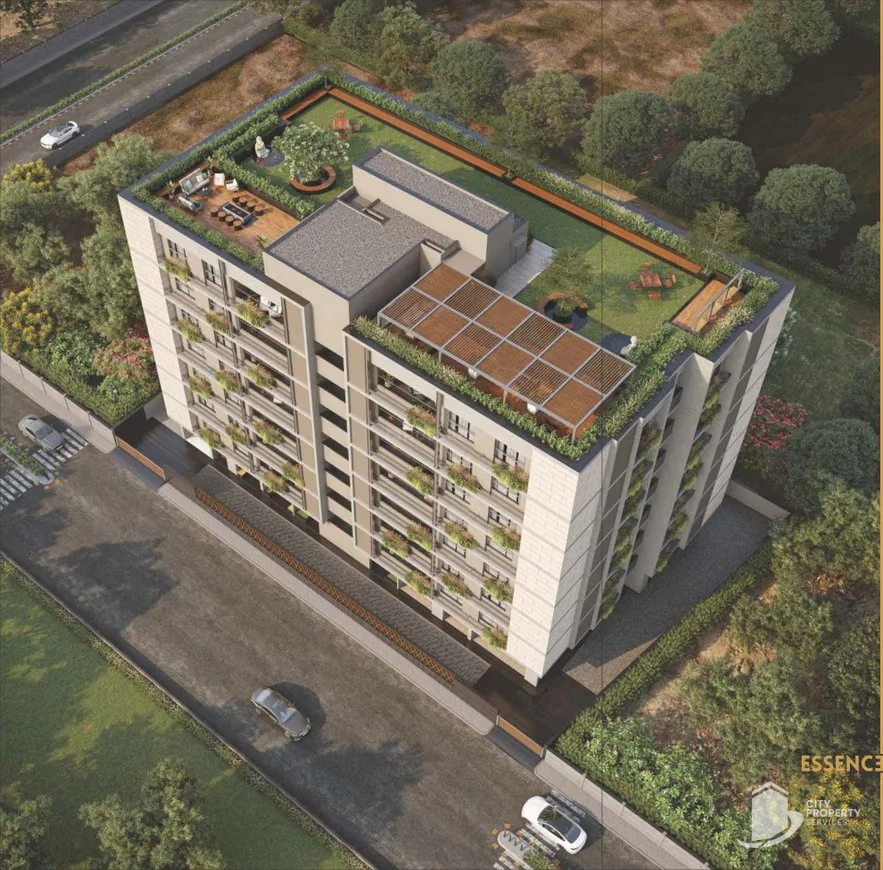
How do you find what flats in your building actually sold for?
Ask for documents, not stories. A registered sale deed states the consideration, and the sub registrar’s Index II extract summarises the registered deed: the property, the parties and the document number. If a neighbour sold last year, ask to see the deed or Index II. Your society office may know which flats changed hands, since each transfer goes through the society.
You can order a certified Index II copy online on iORA. The GARVI help file explains the steps: choose the sub registrar office, enter the document number and year, pay the fee and download the copy. You need the document number, which is why the neighbour or society route is often quicker.
Then adjust honestly. In the same building, a higher floor with a lift, a better facing, a corner unit or an extra parking slot each changes the number. So does the state of the interiors. A flat redone in 2024 and one with original 2008 fittings are not the same product, even with the same carpet area.
In an established area such as Satellite, start with the sales inside your own society. In newer belts like Bopal, a resale competes with new stock from developers, which changes the maths. Buyers will weigh your ready flat against a launch with a payment plan.
Why does jantri still matter when your price is well above it?
For flats in most west Ahmedabad zones, jantri sits well below the market price. Stamp duty is charged on the higher of price and jantri, so jantri plays no part in those deals. Look up your value zone on the GARVI jantri page, or follow our guide to the jantri rate in Ahmedabad, which works through three real zones.
It matters most for old bungalows and plots, where the jantri value can sit close to the price. If the price you have in mind sits close to or below the jantri value, stop and do the sums.
Article 20(a) of the Gujarat Stamp Act charges the buyer duty on the jantri value. Section 78 of the Income Tax Act, 2025 treats you as having sold at the jantri value if it is more than 110% of the agreed price. Your buyer may also be taxed on the gap.
A price below jantri costs the buyer more duty and can cost both sides more tax, so it is worth avoiding unless the jantri value is plainly out of line with the market.
Bank valuation vs market value: why do they differ?
The buyer’s bank sends its own empanelled valuer, and the bank lends against that report, not against your agreement. Ask the buyer’s bank early what it needs from you, and have the BU permission and society papers ready so the valuation is not held up.
On top of that, RBI caps the loan. Its housing finance master circular allows loans of up to 90% of the property value for loans up to ₹30 lakh, 80% up to ₹75 lakh, and 75% above that. Stamp duty and registration cannot be counted in the cost the bank lends against.
| Loan size | Maximum loan as share of property value (RBI) |
|---|---|
| Up to ₹30 lakh | 90% |
| Above ₹30 lakh to ₹75 lakh | 80% |
| Above ₹75 lakh | 75% |
So if you ask ₹1.2 Cr and the bank’s valuer puts the flat at ₹1.05 Cr, your buyer’s loan is worked out on the bank’s figure, not yours. The difference comes from their savings or the deal falls apart. Our advice to sellers is simple: if your price is well above the last registered sale in the building, expect a valuation gap and prepare to justify the premium with documents.
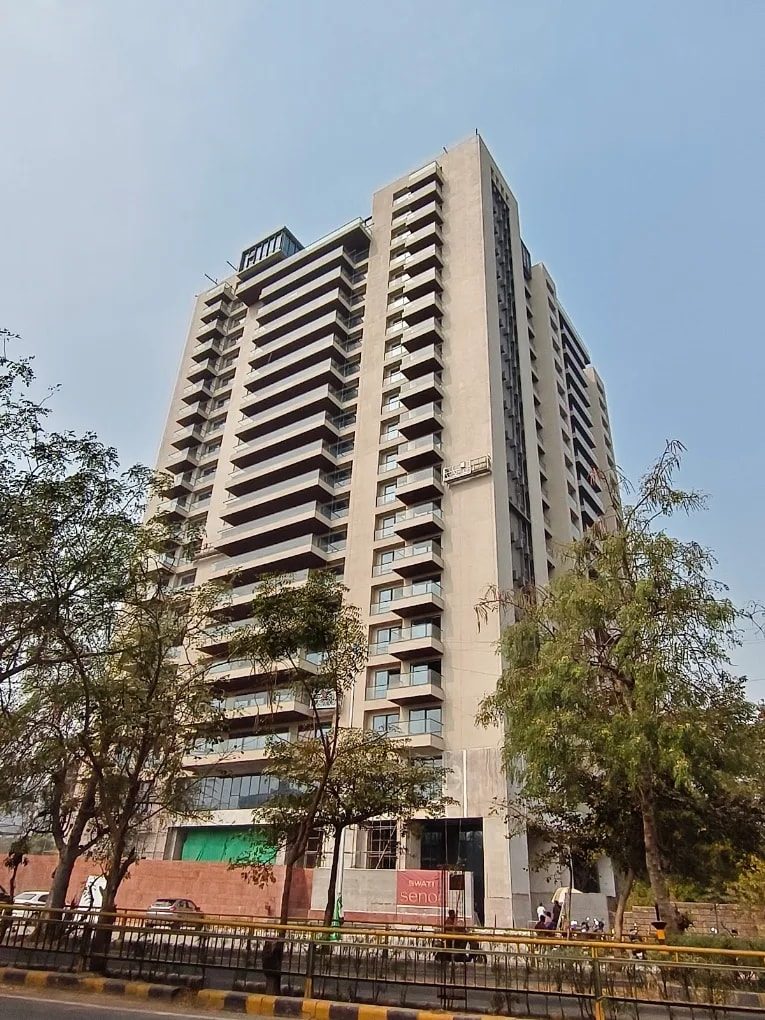
How much room should you leave for negotiation?
Less than most sellers think. Ahmedabad buyers have choice right now. Industry research for H1 2026 counts 37,727 unsold new homes in the city, up 10% on a year earlier, and 8.1 quarters to sell them, the longest of the eight big housing markets. Quarterly figures for April to June 2026 show Ahmedabad sales down 20.2% on a year earlier.
In that market, an inflated asking price does not buy you negotiating room. It buys you silence. Buyers filter by budget online, and a flat priced 10% over its building’s last deal can fall outside their range. By the time you cut the price, the listing looks stale.
What we recommend:
- Fix your walk away number first, after tax and brokerage, and write it down.
- Set the asking price a modest margin above it, close to the best recent registered comparable.
- Review after the first few weeks of visits, not after six months. If several buyers raise the same objection, it is the price or the product, not the buyers.
The highest quote from a broker is not a valuation. If someone promises a number well above recent registered sales, ask which deal supports it.
How does the price you set affect your tax?
Your walk away number should be what you keep, so work out the tax before you fix it. Under the Income Tax Act, 2025, a flat held for more than 24 months gives a long term gain taxed at 12.5% under section 197. If you are a resident individual and bought before 23 July 2024, the tax is capped at what 20% with indexation would give, so you pay the lower of the two. A flat sold within 24 months is taxed at your normal slab rate.
On a sale of ₹50 lakh or more the buyer also withholds 1% of the higher of price and stamp duty value as TDS under section 393(1) and pays you the balance. It is credited against your tax, but it is cash you will not see on the day. Take your purchase date, cost and the option that works out lower to a chartered accountant before you fix the price.
What else changes the price a buyer will pay?
Clean paperwork is worth money. A buyer who can get a loan sanctioned quickly, because the title chain, BU permission and society NOC are in order, will pay closer to your asking price than one whose lawyer is still raising questions. Our checklist of documents required for selling property in Ahmedabad lists what to collect before you list.
Possession matters too. A vacant flat with keys available is easier to show and to value than one with a tenant on a long notice period. Fix obvious defects such as seepage, broken fittings and dead electrical points; buyers will mark you down for them.
If you want a price grounded in registered deals rather than listings, share your address and Index II with us on our selling page, or book a call with our team. We will tell you the range we think it will register at and how long it is likely to take.
Frequently asked questions
How do I find the market value of my property?
Look at what comparable homes in your building or the next few societies were registered for in the last year, not what they are listed for. Adjust for floor, facing, size and condition. A local adviser who sees actual deals can narrow the range quickly.
What is the difference between bank valuation and market value?
Market value is what a willing buyer pays you. Bank valuation is the figure the lender's empanelled valuer puts on the property, and it can come in below the agreed price. The buyer's loan is limited by RBI's caps and the bank's figure, so a big gap has to be paid from the buyer's own pocket.
Who decides the market value of a property?
The buyer and seller do, through the price they agree. The government's jantri sets only a floor for stamp duty and tax, and the bank's valuer decides only how much the bank will lend. If your price falls below jantri, the tax department treats the jantri value as your sale price.
How much does an online valuation tool tell me?
Very little for a resale in Ahmedabad. Many tools average asking prices across a whole area, which mixes new launches with old societies. Use them as a rough starting point and nothing more.
Sources
Talk it through with us
Call us on +91 98249 00778 or send us your question.